Dietary Variety and Whole Foods
Understanding Food Diversity and Processing
The Spectrum of Foods
Food exists on a spectrum from minimally processed whole foods to highly processed products. Different foods provide different nutritional profiles, texture experiences, and practical advantages in various circumstances.
Understanding characteristics of different food types helps individuals make informed choices appropriate for their circumstances, preferences, and goals.
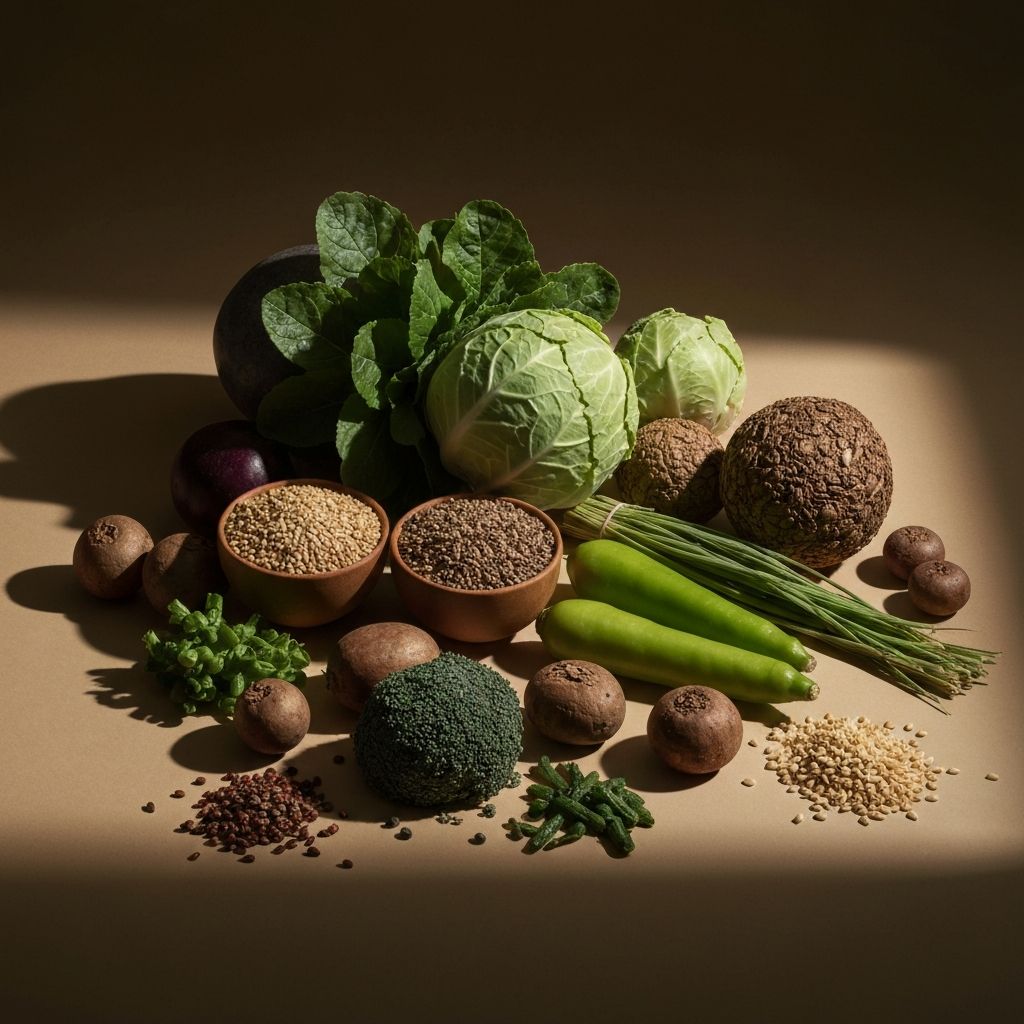
Whole Foods
Whole foods are minimally processed foods retaining most original components:
- Vegetables, fruits, legumes in fresh or dried forms
- Whole grains (oats, brown rice, quinoa, etc.)
- Nuts, seeds, and their butters
- Unprocessed animal products (meat, fish, dairy)
- Eggs
- Herbs and spices
Characteristics of Whole Foods
- Retain dietary fiber
- Contain naturally occurring micronutrients and phytonutrients
- Provide varied texture and flavor experiences
- Require active preparation
- Support satiety through fiber and complexity
Processed Foods
Processing exists on a continuum. Some processing (freezing, canning, pasteurization) maintains nutritional value and extends availability. Other processing (adding sugars, sodium, or artificial components) changes nutritional profile substantially.
Dietary Diversity
Different foods provide different nutrients and beneficial compounds. Consuming a variety of foods—different vegetables, fruits, whole grains, proteins, and healthy fats—helps ensure comprehensive nutrient intake and provides varied phytochemicals and other beneficial compounds.
Individual Circumstances
The optimal balance of whole and processed foods varies for individuals based on time availability, cooking ability, budget, taste preferences, digestive tolerance, cultural background, and life circumstances. There is variability in what constitutes appropriate dietary choices across different situations.
Information Context
This article explains differences between food types. Individual dietary choices should reflect personal circumstances, preferences, and values, with recognition that varied approaches can support adequate nutrition.